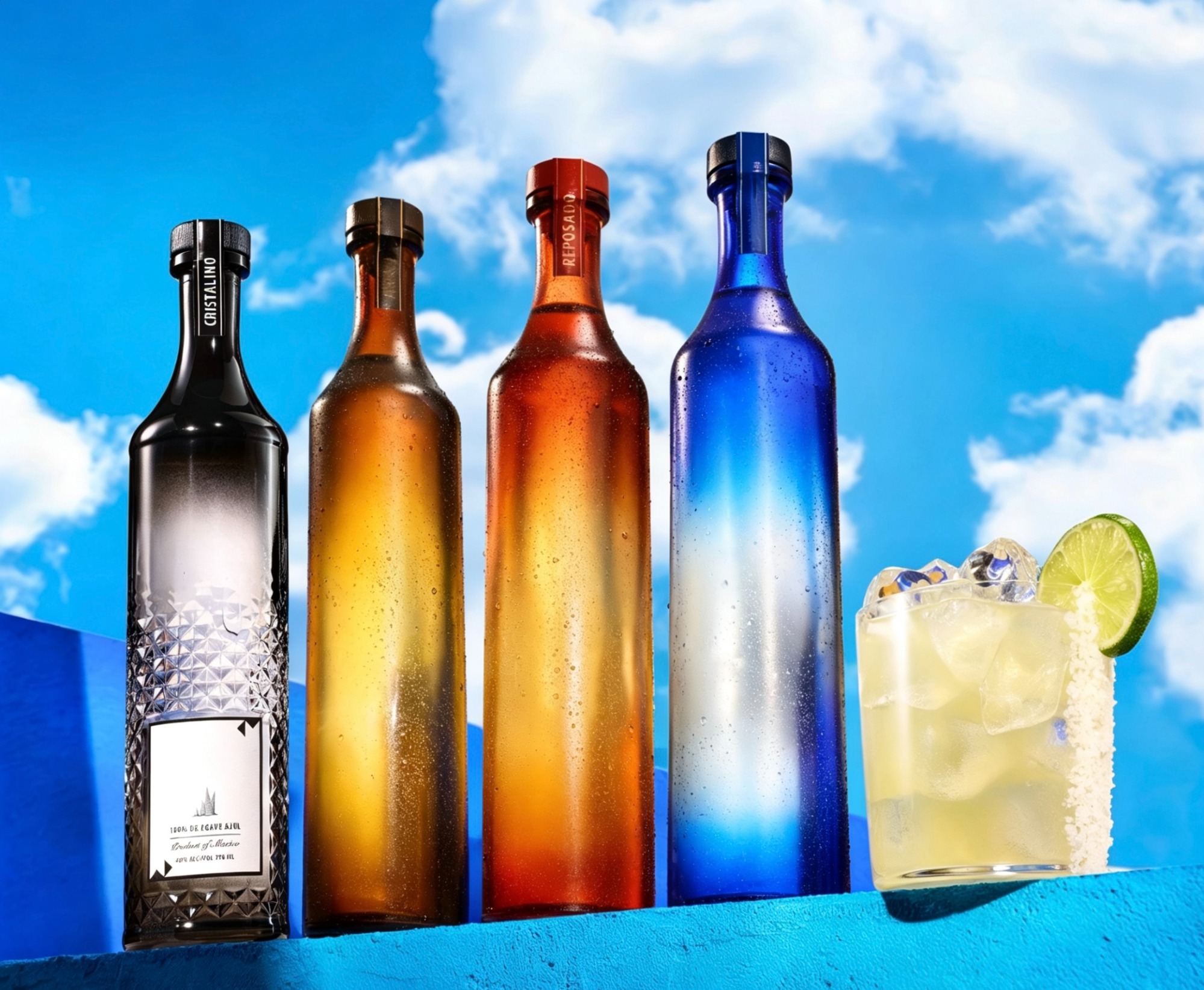
In the competitive world of spirits packaging, the bottle usually takes center stage. Brand owners invest heavily in bottle shape, glass color, embossing, label design, and secondary packaging. Yet the closure—the cork, cap, stopper, or screw cap—is often treated as a commodity. This is a costly oversight. A closure is not an accessory; it is an integral part of the packaging system. Consumers perceive the pack as a whole, not as isolated components. A well-chosen closure can elevate the bottle, reinforce brand equity, and improve functionality. A poor match can undermine the entire presentation, compromise seal integrity, and reduce shelf appeal.
Beyond aesthetics, closure choice is closely tied to the beverage category. Different materials offer distinct functional advantages.
1. Natural Cork Stoppers
Natural cork is microporous, allowing controlled oxygen ingress. This micro-oxygenation can support maturation and complexity in aged spirits. When the bottle is stored horizontally, the cork remains moist, swells, and forms a tighter seal against the neck finish. Natural cork is therefore well suited to long-term aging, including whisky and other aged spirits. However, consistency, cork taint, and cost must be managed.

2. Plastic / Synthetic Stoppers
Plastic and synthetic stoppers are lightweight, convenient, and consistent. They provide reliable sealing performance, are free from cork taint, and offer strong cost-effectiveness. They are common in ready-to-drink beverages and spirits such as vodka, where neutrality and convenience matter more than long-term micro-oxygenation.

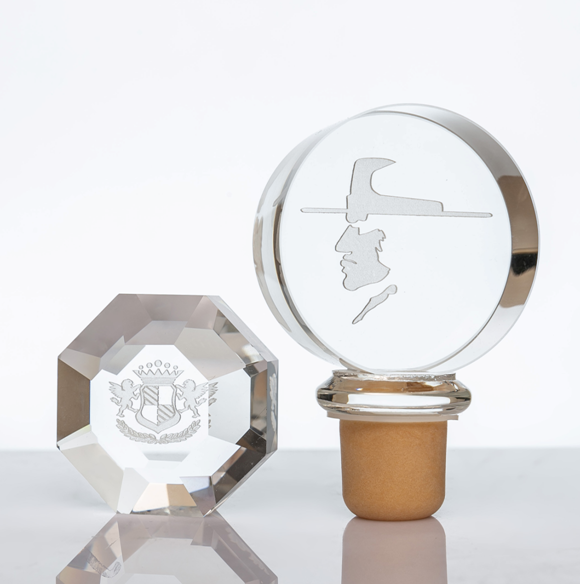
3. Crystal Glass Closures
Crystal glass closures deliver exceptional clarity and a strong luxury signal. They create a premium, jewel-like effect on the shelf. However, their high unit cost limits them mainly to high-end, luxury, limited-edition, and vintage products. For these SKUs, the closure becomes a visible marker of exclusivity.
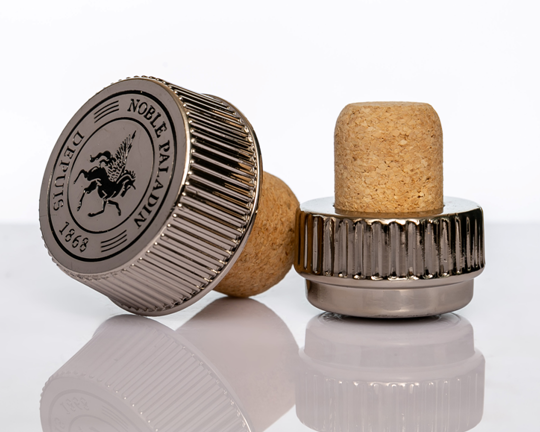
4. Metal / Aluminium-Plastic Closures
Metal and aluminium-plastic closures provide excellent leak-proof performance and organoleptic neutrality. They prevent flavor carry-over and offer tamper-evident functionality, often through a twist-off or break-off ring. Their metallic finish conveys quality and durability. They are suitable for a wide range of high-proof spirits.
5. Metal Screw Caps
A metal screw cap typically consists of an aluminium shell and an internal liner or gasket. It delivers a near-hermetic seal with very low oxygen transmission. Because it is almost impermeable, it is particularly suitable for fruit wines and other categories sensitive to oxidation. It also offers convenient reclosure and consistent capping performance.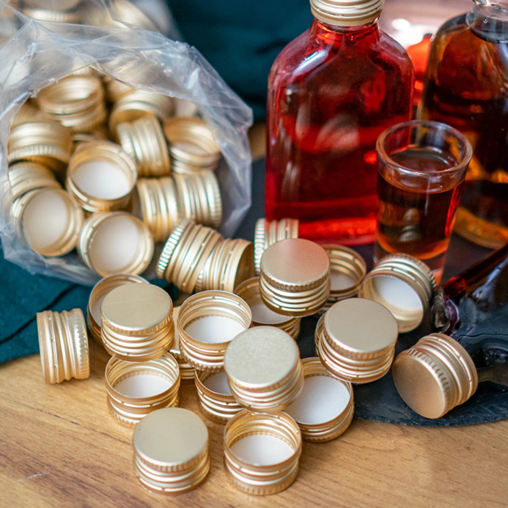
6. Crown Caps
The crown cap is a crimped metal closure with a toothed skirt. It is designed to lock in carbonation by gripping the bottle mouth under pressure. Its core function is to retain carbon dioxide and preserve foam and mousse. It is the classic closure for sparkling wines, including Champagne and other carbonated beverages.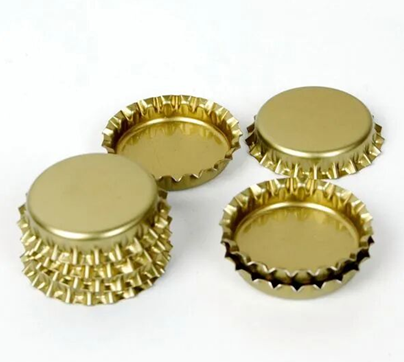
7. Guala-Style Closures / Plastic Caps
Guala-style closures and plastic caps offer a high cost-performance ratio. They are widely used on lightweight bottle formats and mass-market products. They support efficient filling, capping, and logistics, making them ideal for high-volume, value-focused lines.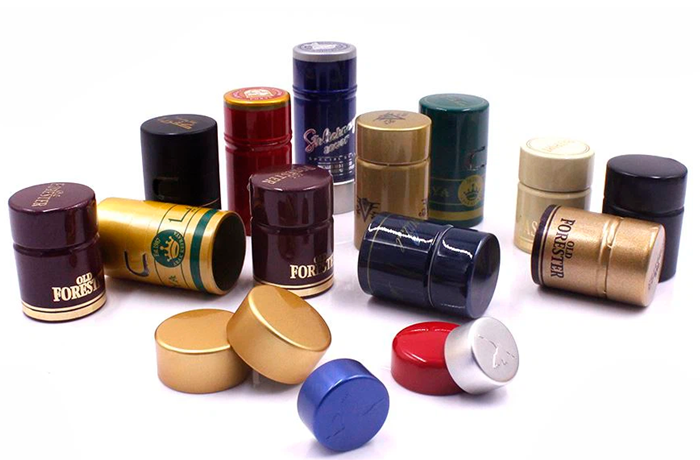
How Can a Closure and Bottle Work in Harmony?
First, consider overall coherence. The closure should match the bottle’s neck finish, thread profile, diameter, material, color, weight, and decorative finish. It should also align with the label, capsule, gift box, and brand positioning. Second, a custom logo or embossed brand mark on the closure can add a distinctive branding touch and enhance the unboxing experience. Third, cost remains one of the most important considerations. Brand owners must evaluate unit cost, filling-line compatibility, capping equipment, torque control, logistics, and total cost of ownership—not just the purchase price.
Ultimately, the best closure is not the most expensive or the most fashionable. It is the one that fits the product, protects the liquid, supports the brand, and satisfies the target consumer.
---
[Image source disclaimer: All images are for illustrative purposes only. Copyrights belong to their respective owners. If you are the copyright holder and object to its use, please contact us for removal.]
Next Topic: Insights into Premium Spirit Packaging (Ⅵ)— Exquisite Liquor Boxes